Dombra
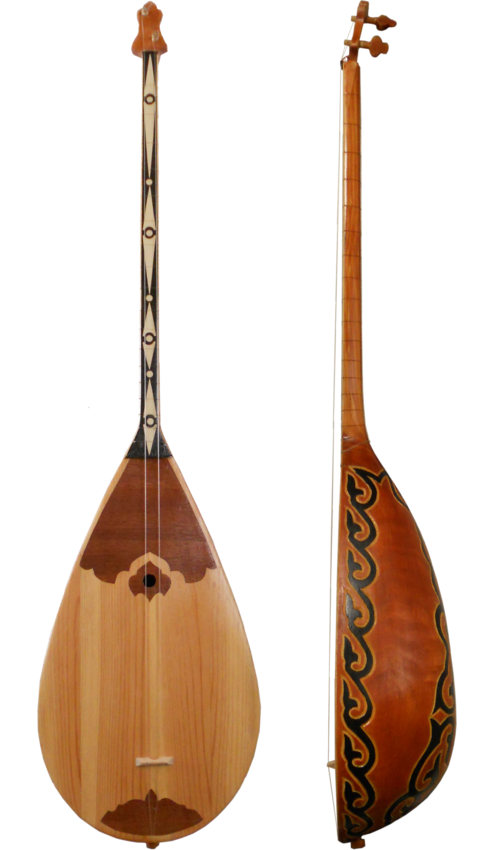
The Dombra — Soul of the Kazakh Steppe
The Dombra is a legendary two-stringed plucked musical instrument deeply embedded in the identity, history, and spiritual life of the Kazakh people. For centuries, it served as the primary voice of the nomadic civilization, translating emotion, oral history, and philosophy into rich acoustic melodies without requiring a single spoken word.
1. Historical & Cultural Significance
Archeological finds and petroglyphs trace the origins of dombra-like lutes back to the Neolithic and Bronze Ages. Rock carvings discovered in the Maibulak canyon in Almaty region depict ancient figures dancing with long-necked stringed instruments. In 2014, UNESCO officially inscribed traditional Kazakh Dombra performance and the art of Kui onto the Representative List of the Intangible Cultural Heritage of Humanity.
2. Anatomy and Craftsmanship
A traditional Dombra is constructed entirely from carefully selected woods. Its acoustic performance depends heavily on the wood species and the master artisan's precision:
- Soundbox (Body): The primary acoustic resonator, shaped like a pear or an elongated oval. Crafted from maple, walnut, birch, or pine using bent staves or hollowed-out solid wood.
- Soundboard: A thin spruce or pine plate (2-3 mm thick) covering the soundbox, responsible for projection, clarity, and tonal warmth.
- Neck and Frets: A long, slim neck tied with 9, 14, or 19 frets made of gut or synthetic cord, allowing quick position changes and intricate microtonal slides.
- Strings and Bridge: Traditionally made from dried sheep or goat intestines, imparting a warm, velvety timbre. Modern instruments often utilize durable nylon strings for pitch stability and brilliance.
3. The Art of Kui and Performance Schools
The foundational genre of Dombra music is the Kui — a solo instrumental composition rich in narrative and epic storytelling. Dombra playing is traditionally divided into two distinct regional performance styles:
- Tokpe (Төкпе): Prevalent in Western Kazakhstan. Dynamic, energetic, fast-paced, and percussive. Famous masters include Kurmangazy and Dauletkerey.
- Shertpe (Шертпе): Prevalent in Central and Eastern Kazakhstan. Melodic, lyrical, intricate, and deeply expressive. Famous masters include Tattimbet and Sugur.
Despite having only two strings, the Dombra captures the vastness of the steppe, the thundering rhythm of wild horses, and the contemplative wisdom of nomadic ancestors.