Baursak
Traditional Kazakh fried bread and indispensable staple of festive feasts
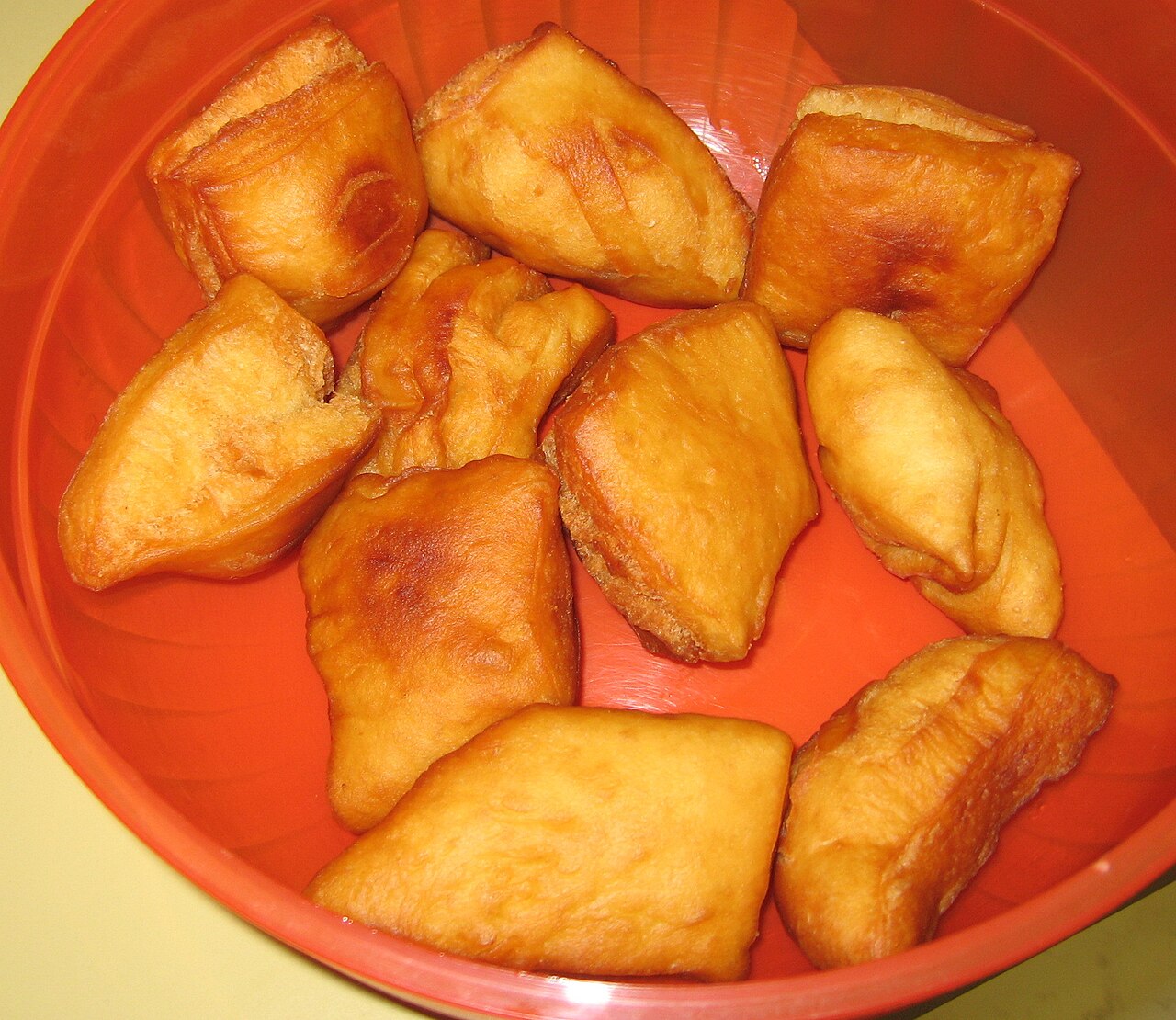
Baursak is the crowning jewel of the Kazakh dining table, serving as a cherished symbol of prosperity, warmth, and hospitality.
Baursak is the holy grail of Kazakh bread culture. Derived from the root word 'Bawyr' (meaning brotherliness or kinship), these golden pillows of deep-fried dough represent unity, warmth, and abundant blessings. The aroma of freshly fried Baursak is the international signature of a welcoming Kazakh home.
1. The Secret to Pillow-Soft Yeast Dough
Achieving the signature fluffy, hollow interior requires a well-fermented rich dough. Dry yeast and sugar are bloomed in warm milk before whisking in salt, eggs, and melted butter. High-protein flour is folded in gradually to yield a very soft, slightly sticky dough. The dough is covered and set in a warm place to rise for 1.5 to 2 hours until doubled in size, then punched down for a secondary proofing.
2. Rolling and Shaping
The proofed dough is rolled out gently to a thickness of 1 to 1.5 cm. Using a sharp knife, the dough is cut into traditional 3x3 cm squares, diamonds, or small rounds. Crucially, the shaped dough pieces must rest on the board for 10–15 minutes before frying to allow the yeast to relax and expand.
3. Deep-Frying in a Traditional Kazan
Baursaks are traditionally fried in a heavy-bottomed cast-iron cauldron (Kazan) filled with hot vegetable oil (heated to around 175°C). As the dough hits the oil, it instantly sinks, puffs up like a balloon, and floats to the top. They are continuously tossed with a slotted spoon for 2–3 minutes until evenly golden brown.
4. Serving Rituals and Cultural Traditions
Served hot alongside steaming cups of Kazakh milk tea, Baursaks are paired with fresh clotted cream (Qaymaq), butter, honey, or berry jam. During festive occasions like Nauryz or family celebrations, Baursaks are scattered as part of the 'Shashu' blessing ceremony to welcome guests with prosperity.