Kurt
Ancient nomadic dried sour-milk snack and natural superfood
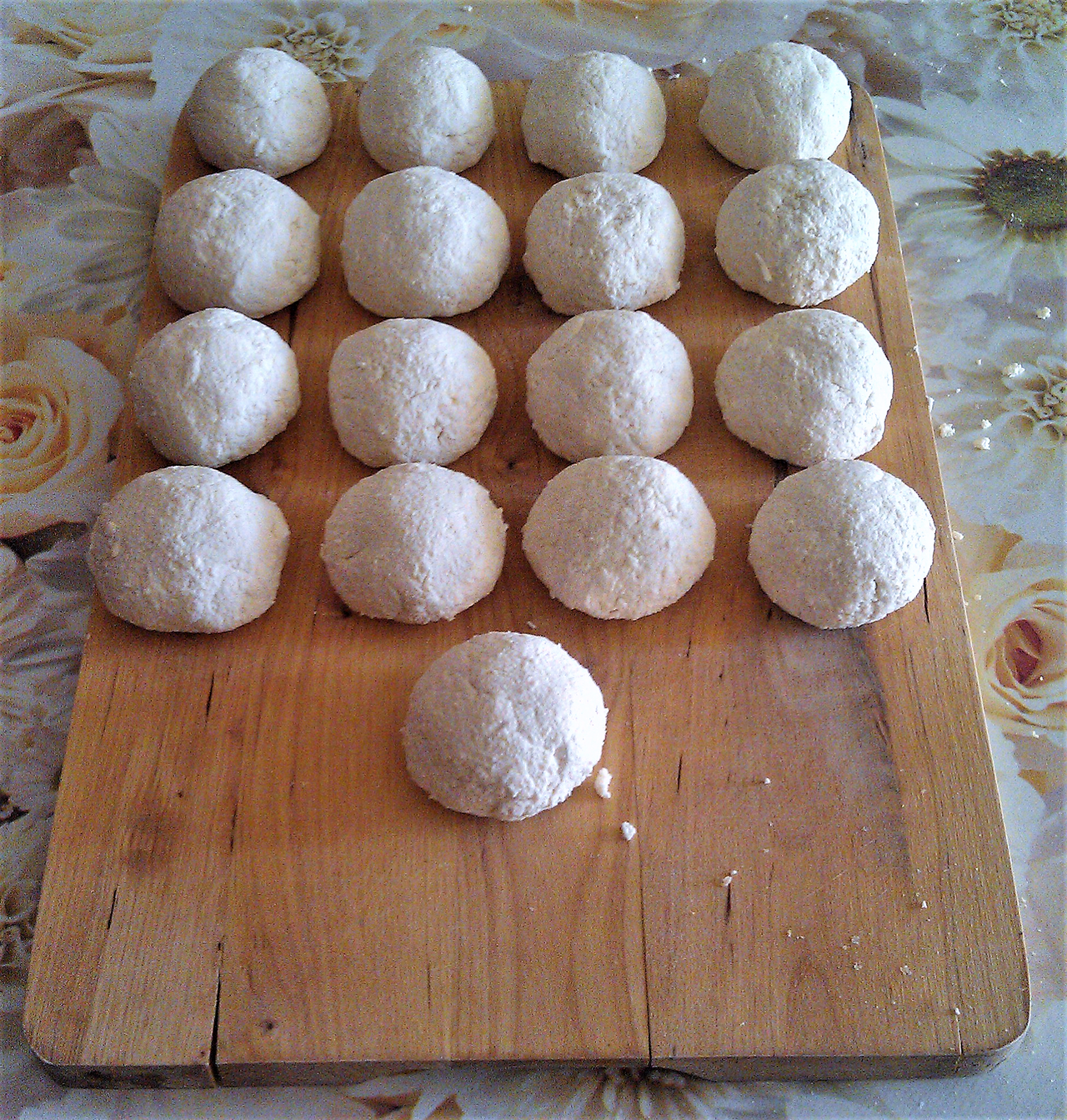
Kurt is a dense, high-calcium, fermented dried milk ball invented by nomads to survive long journeys across the steppes without refrigeration.
Kurt (derived from the Turkic word for 'dry') is an ancient nomadic preserved dairy marvel from Central Asia. Invented to process surplus summer milk into shelf-stable sustenance, a dried Kurt ball can last for years without refrigeration, providing high concentrations of calcium, protein, and salt to nomadic travelers.
1. Fermentation and Straining Whey (Suzbe)
The process starts by culturing boiled cow, sheep, or goat milk into rich yogurt (Ayran or Qatyq). The yogurt is gently heated in a large kettle until it curdles and separates from the whey. The curdled mixture is then poured into a dense cotton cloth bag and hung for 24–48 hours to drain all liquid. The resulting thick, concentrated curd paste is called Suzbe.
2. Salting and Hand-Shaping
Generous amounts of coarse salt are kneaded into the Suzbe. The salt balances the sour flavor and serves as a natural preservative. Small portions are hand-rolled into spherical balls, oval shapes, or pressed between fingers to create traditional indented bites.
3. Sun and Wind Drying
The shaped balls are arranged on elevated wooden drying racks (Ore) exposed to direct sunlight and dry steppe winds for 3 to 7 days. Once fully dehydrated, Kurt becomes rock-hard, lightweight, and virtually indestructible against humidity and heat.
4. Culinary Uses and Heritage
Kurt can be eaten directly as a salty, savory snack or dissolved into boiling water and hot broth (Sorpa) to instantly create a rich, tangy soup base. Nomads historically held Kurt in their mouths during long journeys to stave off thirst and hunger. Today, it remains a beloved healthy snack across Kazakhstan.